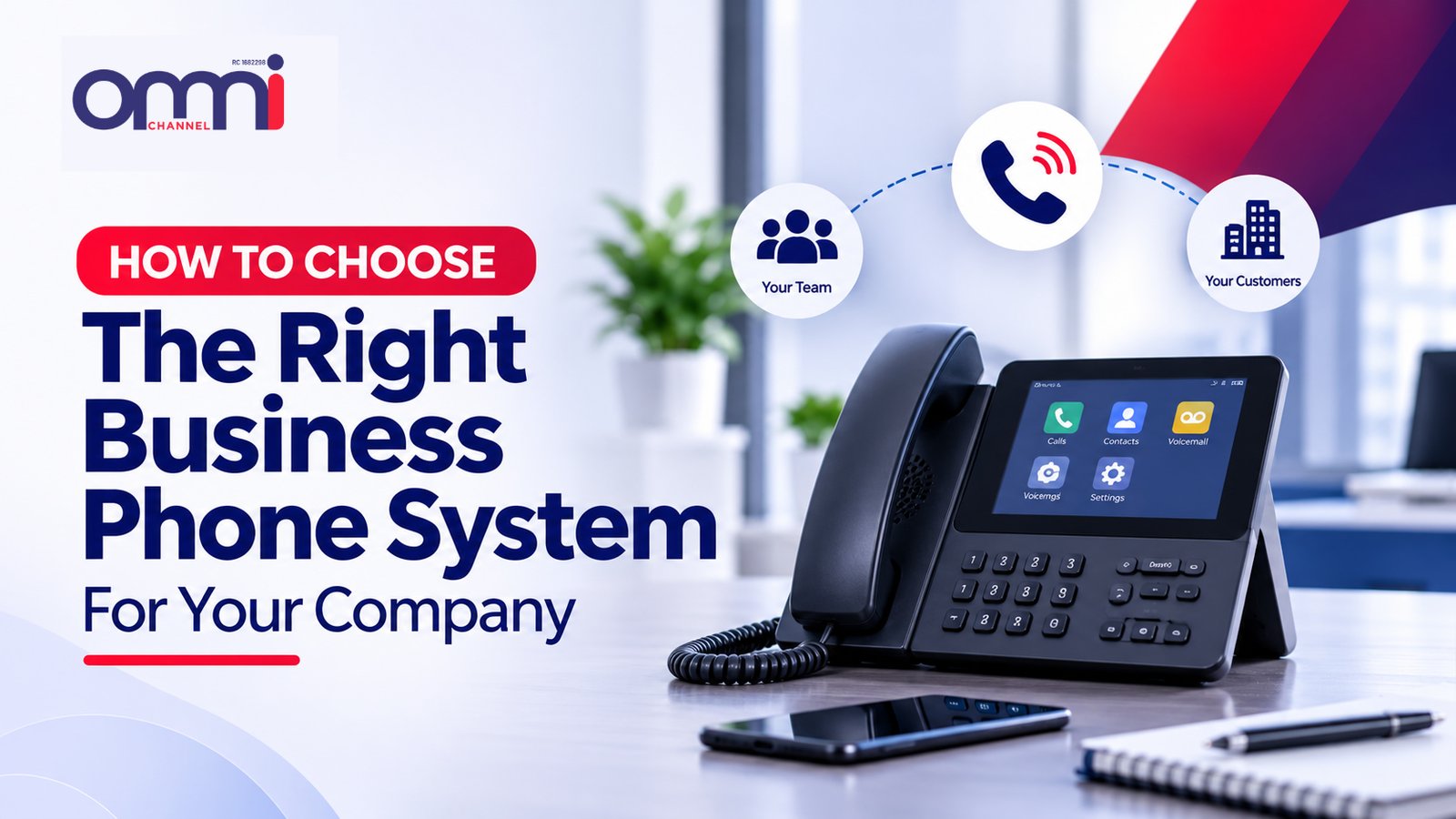
A customer finds your business online, decides to make an enquiry and calls the number on your website. But the number belongs to an employee who is unavailable. The customer tries another contact, gets a different response or gives up.
For many businesses, the problem is not that customers cannot find a phone number. It is that the business has no organized way to manage the calls coming through it.
A business phone system should do more than connect two people. It should give customers a reliable way to reach the organization and help the business manage incoming calls across its team.
In Nigeria, the Nigerian Communications Commission (NCC) provides an important distinction for businesses considering special numbers: its National Numbering Plan identifies 0700 and 0800 as shared special-number ranges. The NCC also explains that toll-free calls are paid for by the receiving business rather than the caller. Understanding these differences is one part of choosing the right business communication arrangement.
So, before choosing a provider or committing to a subscription, businesses should consider how customers will reach them, who will answer, how calls will be managed and what the system will cost to operate.
1. Start with how your business handles calls
The right phone system depends on the way your organization communicates with customers.
A small business where one person handles most enquiries may need a straightforward business number. A company with separate sales, accounts, customer service and technical support teams may need a system that can direct calls to different people.
Before comparing providers, ask:
- How many incoming calls does the business receive?
- How many employees need to make or receive business calls?
- Do customers need to reach specific departments?
- Do employees work from one office or different locations?
- Are calls mainly for sales, customer support, appointments or general enquiries?
- What should happen when the person receiving a call is unavailable?
These questions help establish what the system must do. Without them, a business may pay for unnecessary features or choose a basic arrangement that cannot support its operations.
2. Choose a professional business number
A business number is often one of the first ways customers interact with an organization. It should be easy to find, recognize and use.
Some businesses rely entirely on employees’ personal mobile numbers. This may work when the team is small, but it can become difficult to manage as the organization grows.
Customers may save different employees’ numbers, become unsure who to contact or continue calling someone who has left the company. The business can also lose continuity when customer relationships depend too heavily on individual employees.
A dedicated business number gives the organization a central contact identity. Rather than advertising several personal numbers, the company can promote one official number that connects customers to the business.
In Nigeria, two options worth understanding are:
0700 business smart numbers: These are non-toll-free special business numbers. They can provide a recognizable business contact identity and, depending on the service configuration, connect incoming calls to multiple team members.
0800 toll-free numbers: These allow customers to call without paying the applicable call charge. The business that subscribes to the toll-free service bears the call cost, subject to its service arrangement.
The NCC’s guidance on toll-free numbers explains this caller-versus-subscriber payment distinction. A business should not assume that every special business number is free for customers to call.
The choice depends on the organization’s customer access strategy, expected call volume and willingness to cover incoming call charges.
3. Check how calls are routed
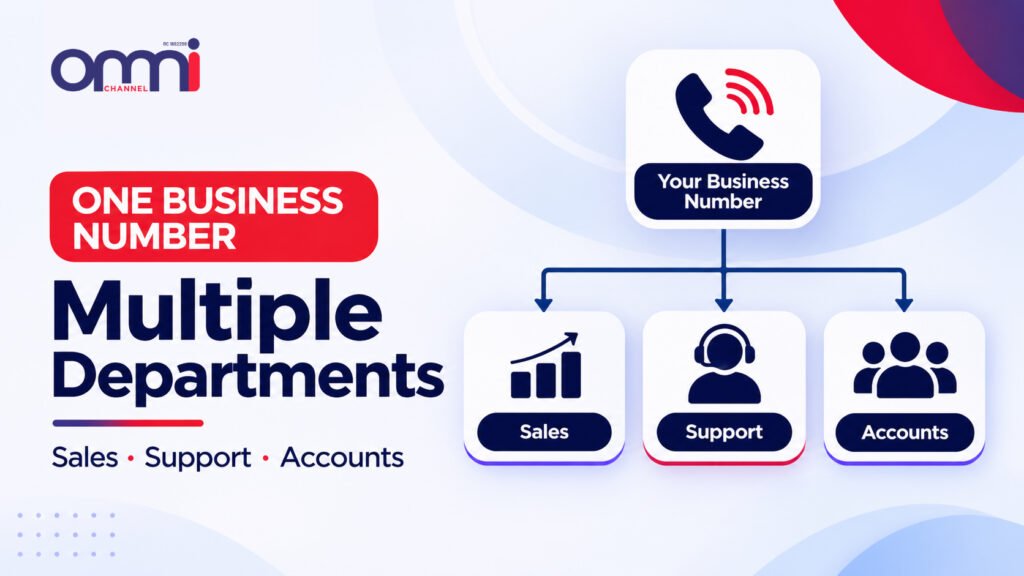
A shared business number is most useful when customers can reach the right person without having to search for individual employees.
Imagine a company with sales, accounts and customer support teams. A customer calling about a product enquiry should not have to navigate several unrelated personal numbers before reaching sales.
Ask potential providers how incoming calls can be distributed.
Depending on the system, useful options may include:
- Call distribution: Sending incoming calls to assigned employees or agents.
- Call transfer: Allowing a call to be passed to another staff member.
- After-hours handling: Playing a message or directing calls elsewhere outside normal working hours.
- Voicemail: Giving callers a way to leave a message when nobody is available.
- Welcome messages: Providing callers with a greeting before they are connected.
Do not assume that every provider offers all these functions. Ask which are available, how they work and whether they are included in the package you are considering.
Also establish whether calls ring several employees at once, move from one person to another, or follow another routing arrangement. The right setup depends on your team’s responsibilities and the type of calls it receives.
4. Consider call recording, monitoring and reporting
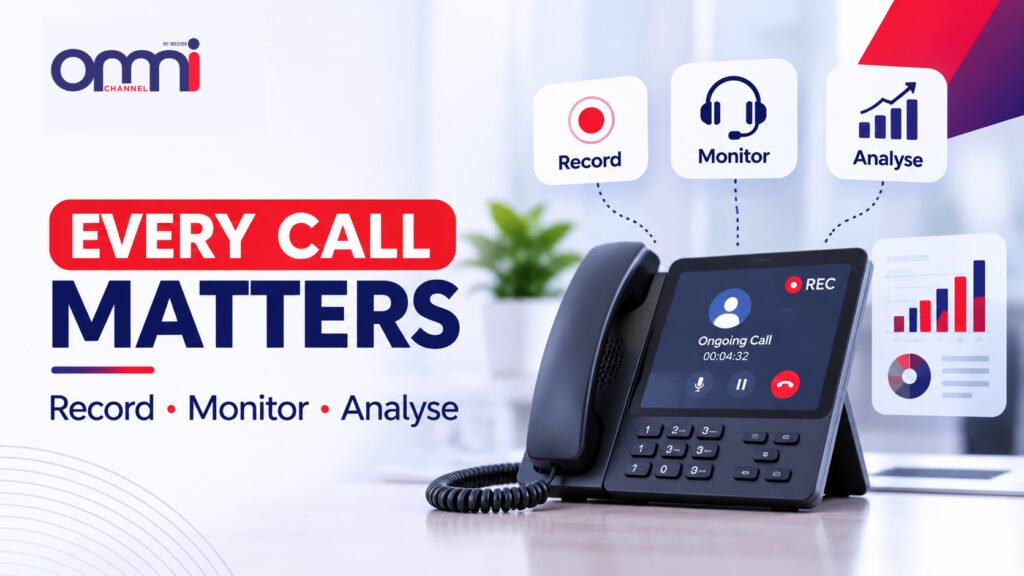
A business may receive many calls without having a clear picture of how those conversations are being handled.
Call records and reporting can help management understand incoming and outgoing activity. Where recording is enabled, recordings may also support quality reviews, staff coaching and the investigation of specific customer interactions.
Before choosing a system, ask whether it provides:
- Call records and call detail reports.
- Call recording, where required and appropriately configured.
- Call monitoring options.
- Access to recordings and reports.
- Information about missed or unanswered calls.
These capabilities are particularly relevant to organizations with customer service or sales teams. However, recording should be managed responsibly. Businesses should confirm applicable legal and privacy requirements, inform callers where necessary and control who can access recorded conversations.
A provider should explain what reporting is available, how long records are retained and whether these functions attract additional charges.
5. Assess reliability and flexibility
A phone system is part of the business’s customer access infrastructure. If customers cannot get through, enquiries and support requests may be delayed.
Ask providers what happens when there is a service interruption, an employee is unavailable or the business changes its working arrangements.
Consider:
- What support is available when the service has a problem?
- Can employees handle calls from different locations?
- Can the business connect additional users as it grows?
- Can existing phones or devices be used?
- What happens to calls outside business hours?
- Can the business retain its number if it relocates or changes its internal structure?
For a growing organization, flexibility matters. A system that works for three employees today should not become an unnecessary obstacle when the business expands to several departments.
Ask the provider to explain its service availability, support arrangements, limitations and any conditions around number retention or migration. Do not rely on broad promises of uninterrupted service without understanding what they mean in practice.
6. Compare the total cost, not just the advertised price
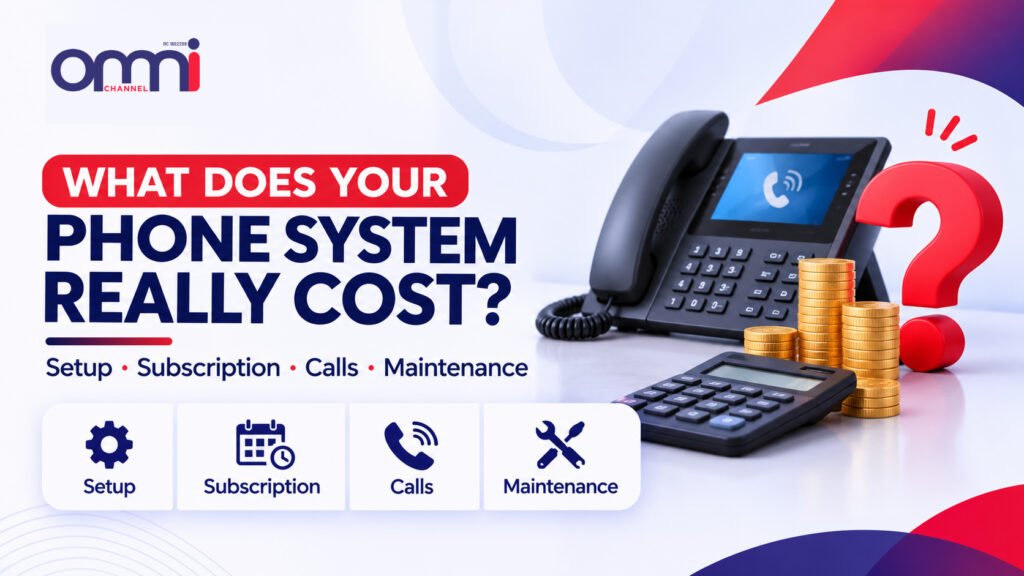
The cheapest advertised price may not represent the full cost of operating a business phone system.
Depending on the provider and service, charges may include:
- Number subscription or rental.
- Installation and setup.
- Monthly or annual service fees.
- Call charges or prepaid call balances.
- Additional users or connected phone lines.
- Call recording and reporting.
- Equipment or software requirements.
- Maintenance and support.
This is especially important when comparing a 0700 business number with an 0800 toll-free arrangement. With a toll-free number, the business takes responsibility for the applicable incoming call charges. That cost should be considered alongside the value of making it easier for customers to call.
Ask for a written breakdown of the fees, what each package includes and what happens when usage exceeds the agreed allowance.
7. Choose a system that supports your customer experience
The phone system should fit into the way the business serves customers.
For example, a real estate company may need incoming calls directed to sales representatives. A hospital may need a central contact point for appointment enquiries and patient support. A retailer may need a reliable way to handle product questions and order-related calls.
In each case, the important consideration is not simply having a number. It is making sure that calls reach the appropriate people and that the business has a clear process for handling them.
This also means deciding who owns incoming enquiries, how unanswered calls are followed up and how employees should handle customer information.
A phone system can support this process, but it cannot replace clear responsibilities, trained staff and good customer service procedures.
8. Consider Omni Channel’s 0700 and 0800 business phone solutions
For organizations that want a central business contact number rather than depending on employees’ personal numbers, Omni Channel offers 0700 business smart numbers and 0800 toll-free numbers.
According to its published 0700 business smart number information, the service describes a VoIP-enabled phone solution that can connect business calls to phones or computers. The page also lists capabilities such as call recording, call transfer, call monitoring, after-hours diversion, call distribution and voicemail-to-email.
Its 0800 toll-free service is designed for businesses that want customers to call without bearing the applicable call charge, with the business paying for the calls under the service arrangement.
These options can help businesses establish one recognizable contact point while connecting calls to the people responsible for handling them.
The right configuration will depend on the business’s call volume, team structure and service requirements. Before subscribing, ask Omni Channel to confirm the available number options, routing arrangement, charges, recording and reporting provisions, and any package-specific conditions.
You can also explore Omni Channel’s business phone system and call centre solutions if your organization needs support beyond the phone number itself.
Choose for the way your business needs to communicate
A suitable business phone system should make it easier for customers to reach your organization and easier for your team to manage incoming calls.
Start by understanding your call volume and team structure. Then assess the number type, call routing, reporting, reliability, flexibility and total cost. Finally, confirm the provider’s actual capabilities and service conditions before making a decision.
The goal is not simply to acquire another phone number. It is to create a dependable way for customers to reach your business, whoever is available to help them.
If your business is considering a more centralized contact number, speak with Omni Channel about its 0700 and 0800 business phone solutions.