Most Nigerian businesses do not stop growing because customers disappear. They struggle to scale because their recruitment and workforce capacity do not grow alongside the business. As the Chartered Institute of Personnel and Development (CIPD) explains, effective recruitment and resourcing should ensure that an organisation has the skills and capabilities it needs to meet both its current and future requirements. In other words, recruitment is not simply about filling vacant positions; it is about building the workforce a business needs to achieve its goals.
One person is approving every invoice, answering every WhatsApp message, resolving customer complaints, and personally deciding who gets hired next. For a while, that hands-on approach works. Nobody understands the business better than the person who built it.
But as the business grows, the same approach that helped it get started can begin to hold it back. Sales opportunities take longer to follow up. Delivery timelines stretch. Customer complaints increase. The strongest employees become overwhelmed because they are absorbing work that nobody else was hired to do.
This is the point where recruitment stops being a routine HR activity and becomes a business strategy.
Whether the next hire is an administrative assistant in a small Lagos office, a customer service representative, or the manager of a growing sales team, the quality of that recruitment decision can influence productivity, customer experience, and the company’s ability to scale.
This guide explains what recruitment in Nigeria really means, why recruitment matters to business performance, how Nigerian businesses can approach the recruitment process more strategically, the mistakes that lead to poor hires, and how AI is changing recruitment in 2026.
What Is Recruitment?
Recruitment is the process of identifying, attracting, assessing, selecting, and onboarding people to fill roles within an organisation.
However, recruitment is more than simply finding someone to occupy an empty position. The Chartered Institute of Personnel and Development (CIPD) explains that effective recruitment and resourcing should ensure an organisation has the skills and capabilities it needs for both its current and future requirements. Its guidance emphasises that recruitment should connect to workforce planning and the organisation’s long-term success, not simply focus on filling an immediate vacancy.
Similarly, the Society for Human Resource Management (SHRM) describes recruitment as a structured process used to find, attract, evaluate, and hire employees. A good process considers not only professional qualifications but also whether candidates are suited to the organisation and its values.
This leads to an important distinction for Nigerian businesses: Recruitment is not simply about filling a vacancy. It is about building the capability required to achieve the company’s goals.
A founder who hires a customer service representative because “we need someone to answer WhatsApp” is thinking about the vacancy.
A founder who asks, “What customer experience do we want to create, what responsibilities should this person own, what skills are required, and how will we measure success?” is thinking about recruitment strategically.
That difference matters. Reactive hiring may solve today’s problem. Strategic recruitment is designed to help solve tomorrow’s problems too.
Why Recruitment Matters More Than Many Business Owners Realise
It is easy to think of recruitment as an expense. A job advert costs money. An agency may charge a fee. Interviews consume management time. Onboarding takes resources.
But the bigger cost is often hiring the wrong person. A poor recruitment decision can affect productivity, customer experience, employee morale, and management capacity. A strong hire, on the other hand, can take ownership of important work and create capacity for the rest of the organisation.
Our view is simple: The quality of your people determines how much of your business can operate without you.
Research from McKinsey reinforces the importance of getting critical talent decisions right. Its research on talent and productivity found that top performers in highly complex roles can be significantly more productive than average performers in the same roles, with its analysis citing productivity differences of up to eight times in highly complex occupations.
This does not mean every “high performer” will automatically transform a business. Productivity also depends on processes, technology, management, and resources. But it does demonstrate why placing the right person in a critical role can have an outsized impact.
The World Economic Forum’s Future of Jobs Report 2025 provides another reason businesses need to rethink how they recruit. Based on insights from more than 1,000 employers representing over 14 million workers, the report estimates that 39% of workers’ existing core skills could be transformed or become outdated by 2030.
That means businesses cannot afford to recruit solely for what a candidate knows today. They also need to consider:
- How quickly can this person learn?
- Can they adapt to new technology?
- Can they solve unfamiliar problems?
- Can they work effectively with others?
- Are they capable of growing with the business?
For Nigerian Small and medium-scale enterprises (SMEs), this is especially relevant. A business may not always find a candidate who has done the exact job before, used every required tool, and worked in the same industry.
Sometimes, the better candidate is the person who has the right foundation, strong learning ability, and the capacity to grow into the role.
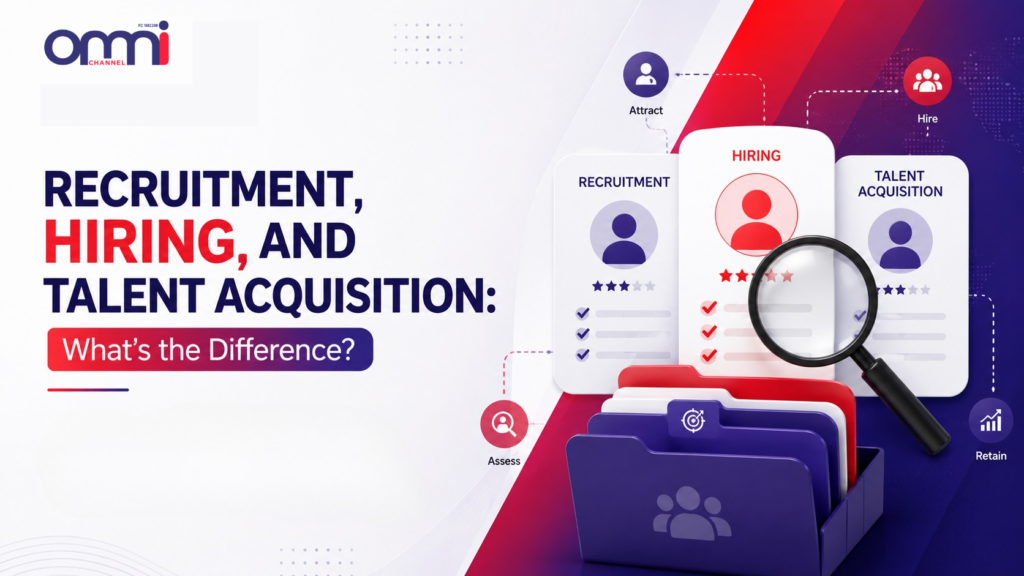
Recruitment, Hiring, and Talent Acquisition: What’s the Difference?
These terms are often used interchangeably, but they describe different parts of the workforce strategy.
Recruitment focuses on finding and evaluating candidates for a specific role.
Hiring is the decision and administrative process that follows recruitment: selecting a candidate, making an offer, completing employment documentation, and bringing the person into the organisation.
Talent acquisition is broader. It is the long-term strategy for identifying and building relationships with talent before a specific vacancy necessarily exists.
For example, a company that suddenly needs a sales manager may begin recruiting immediately.
A company practising talent acquisition may already have relationships with experienced sales leaders, maintain an employer brand that attracts candidates, and keep a pipeline of potential talent.
The difference is important because many growing businesses operate reactively. Someone resigns. A team becomes overwhelmed. A new client signs a contract. Then the company starts looking for people.
A more mature approach anticipates future workforce needs and builds the capability to respond before the situation becomes an emergency.
The Main Recruitment Channels
There is no single best recruitment channel. The right approach depends on the role, urgency, budget, and type of candidate required.
- Internal Recruitment
Internal recruitment involves promoting or transferring an existing employee. It can be faster because the person already understands the organisation, its processes, and its culture. It can also improve employee motivation by showing that career progression is possible.
The limitation is that promoting someone creates another vacancy, and the business may miss out on new skills or perspectives.
Best for: promotions, supervisory positions, and roles where institutional knowledge is highly valuable.
- External Recruitment
External recruitment brings talent into the organisation from outside. This can introduce new skills, experience, and perspectives. It is particularly useful when the business is entering a new market or developing a capability it does not currently have.
Best for: specialised skills, new departments, leadership positions, and strategic growth.
- Employee Referrals
Employees recommend people within their professional networks. Referrals can help businesses identify candidates more quickly because employees already have some understanding of the person’s capabilities.
However, businesses should avoid relying exclusively on referrals. Over time, an organisation can unintentionally create a workforce with similar backgrounds and perspectives.
- Recruitment Agencies and BPO Partners
A recruitment agency or BPO partner can take responsibility for some or all of the recruitment process, from sourcing and screening to presenting qualified candidates.
This can be particularly valuable for SMEs without a dedicated HR or talent acquisition team.
The goal should not simply be to outsource the workload. The recruitment partner should understand the organisation’s requirements well enough to identify candidates who are genuinely suited to the role.
- Remote Recruitment
Remote work has expanded the potential talent pool beyond a company’s immediate location. A Lagos-based company can potentially recruit candidates from other Nigerian cities or internationally, depending on the nature of the role.
However, remote recruitment requires additional consideration. Businesses need to evaluate communication skills, availability, digital competence, internet reliability, and the candidate’s ability to work independently.
- Social and Digital Recruitment
Platforms such as LinkedIn and other professional or social networks allow businesses to promote vacancies while simultaneously building their employer brand.
CIPD notes that employer branding can help organisations differentiate themselves in the labour market and attract, recruit, retain, and engage talent. This means recruitment does not begin when a company publishes a vacancy.
- Direct Outreach
It can begin months or even years earlier, through the reputation the company builds among potential employees.
Direct outreach involves actively approaching potential candidates rather than waiting for them to apply. This can be done through professional platforms like LinkedIn, targeted emails, industry associations, or networking events. Unlike job postings, which rely on candidates finding the vacancy, direct outreach is proactive — the organisation identifies individuals with the right skills and initiates contact.
This method is particularly effective for niche roles or when targeting passive candidates (those not actively job-hunting but open to opportunities). It also helps SMEs compete with larger firms by offering a more personal, human touch that can make the opportunity stand out.
The limitation is that direct outreach can be time-intensive and requires strong communication and persuasion skills to engage candidates and convince them to consider the role.
Best for: niche roles, passive candidates, and situations where a personal approach can differentiate the opportunity.
Internal or External Recruitment: Which Should You Choose?
The answer should depend on the role. Internal recruitment is the better choice when an employee already has the necessary foundation, when institutional knowledge is important, when the organisation wants to reward career progression, and when the cost and speed of filling the role are priorities.
External recruitment becomes more suitable when the organisation lacks a required skill set, when the business is entering a new market, when fresh perspectives are needed, or when the role requires experience that does not exist internally.
The best approach is not to treat internal and external recruitment as competing philosophies. A growing business should use both. The strategic question is: What does this role require that the organisation needs right now, and where is the strongest source of that capability?
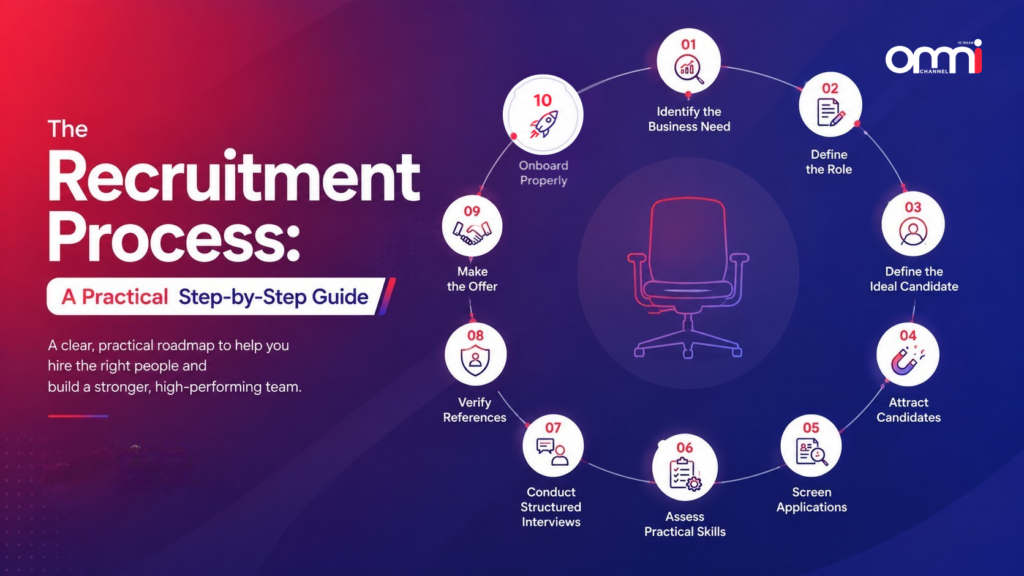
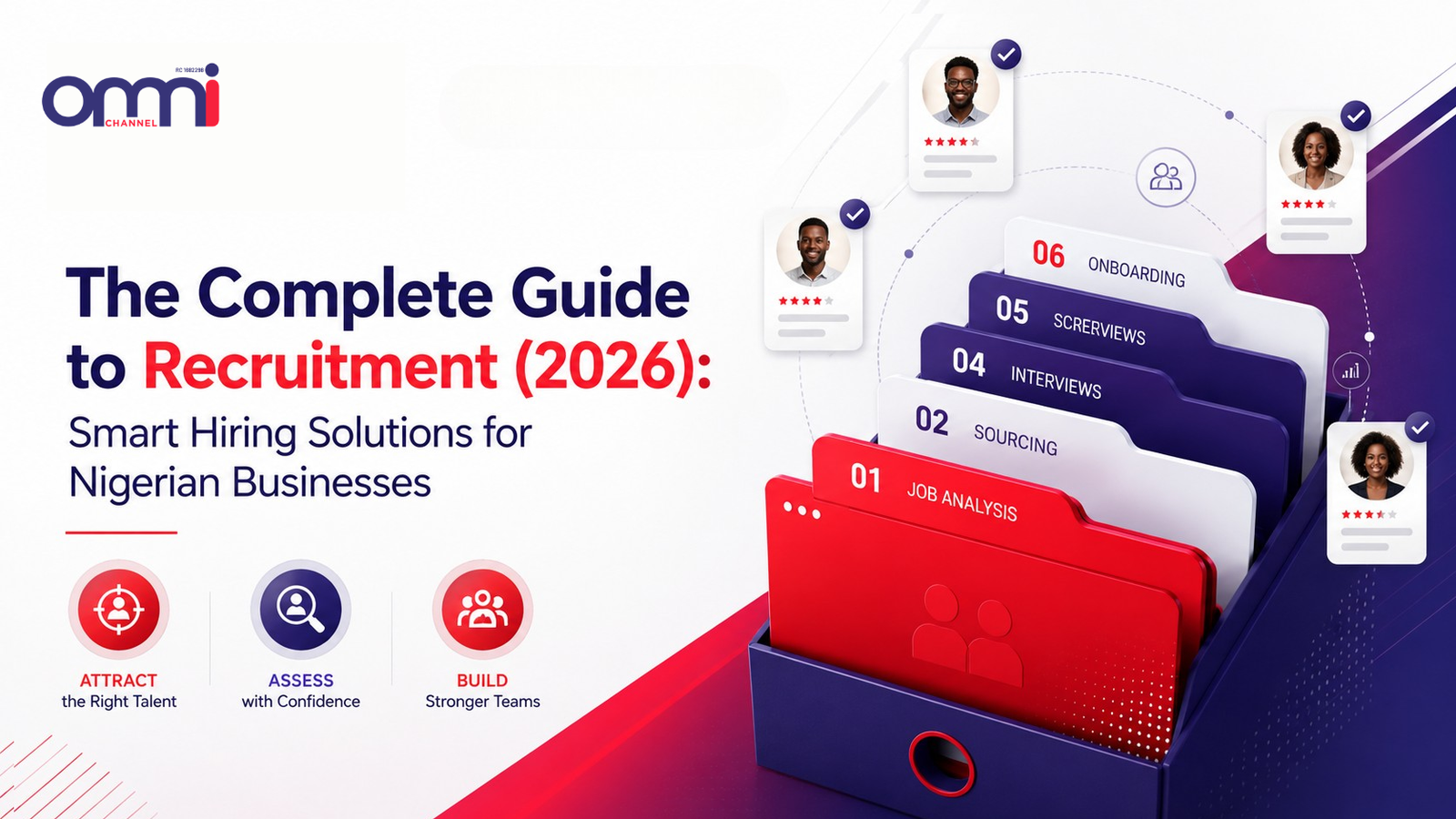
The Recruitment Process: A Practical Step-by-Step Guide
- Identify the Business Need
First, determine why the role exists. Is the business growing? Has someone left? Is the team overloaded? Could technology or process improvement solve part of the problem?
The objective is to make sure the business is solving the right problem before adding another employee.
- Define the Role
Create a clear job description. Define the responsibilities, required skills, experience, reporting structure, expected outcomes, working arrangement, compensation range, performance expectations. A strong job description should help candidates understand what success looks like.
- Define the Ideal Candidate
Separate essential requirements from preferred requirements. This is important because overly restrictive job descriptions can eliminate candidates who have the ability to succeed but do not match every item on a long checklist. The focus should increasingly be on skills and demonstrated capability.
- Attract Candidates
Advertise through appropriate channels. Depending on the role, this may include: professional networks, job boards, employee referrals, recruitment agencies, universities and training programmes, social media and direct sourcing. The goal is not to receive the largest possible number of applications. It is to attract the right candidates.
- Screen Applications
Screen candidates against clearly defined criteria. Avoid making decisions based solely on a candidate’s CV design, university, or job title. Where possible, look for evidence of what the person has actually achieved.
- Assess Practical Skills
Whenever possible, give candidates a realistic work sample. For example: A customer service candidate could respond to a mock customer complaint, A salesperson could handle a simulated sales conversation, A designer could complete a short design exercise, An analyst could interpret a small dataset.
The assessment should be relevant to the actual job and should not require candidates to complete excessive unpaid work.
7. Conduct Structured Interviews
Ask candidates consistent questions and evaluate them against the same criteria. This makes comparisons easier and can reduce the influence of unconscious bias.
8. Verify References
Reference checks can help confirm employment history, responsibilities, and performance. They should complement not replace skills assessments and interviews.
9. Make the Offer
A good offer should clearly explain compensation, benefits, responsibilities, working arrangements, and expectations. Speed matters here. Strong candidates may be considering multiple opportunities.
10. Onboard Properly
Recruitment does not end when the candidate accepts the offer. A new employee needs access to the tools, information, training, and people required to perform effectively. The first few months should have clear expectations and regular feedback. A great recruitment process can still produce a poor outcome if onboarding is neglected.
Recruitment Challenges Nigerian Businesses Need to Consider
Recruitment strategies cannot simply be copied from another market and applied unchanged to Nigeria. Businesses operate within a unique economic and labour environment, and that affects hiring.
One challenge is the movement of experienced professionals to international markets. This can make certain skills more difficult to find and increase competition for experienced talent. For businesses, this creates a stronger case for developing talent internally.
Instead of asking only, “Who already has five years of experience?” companies should also ask, “Who has the ability to learn quickly and become excellent with the right development?”
Another challenge is verifying candidate information. A CV should be treated as a starting point, not the final evidence of competence. Practical assessments, structured interviews, and appropriate reference checks can help businesses make better decisions.
Compensation is another important factor. Candidates evaluate the complete employment proposition not just the salary figure. Depending on the role, this can include flexibility, transportation support, health benefits, career development, training, and opportunities for advancement.
Finally, informal hiring remains a challenge for many SMEs. Hiring friends, relatives, or referrals is not automatically wrong. The problem occurs when relationships replace proper recruitment standards. Every candidate should still be evaluated against the requirements of the role.
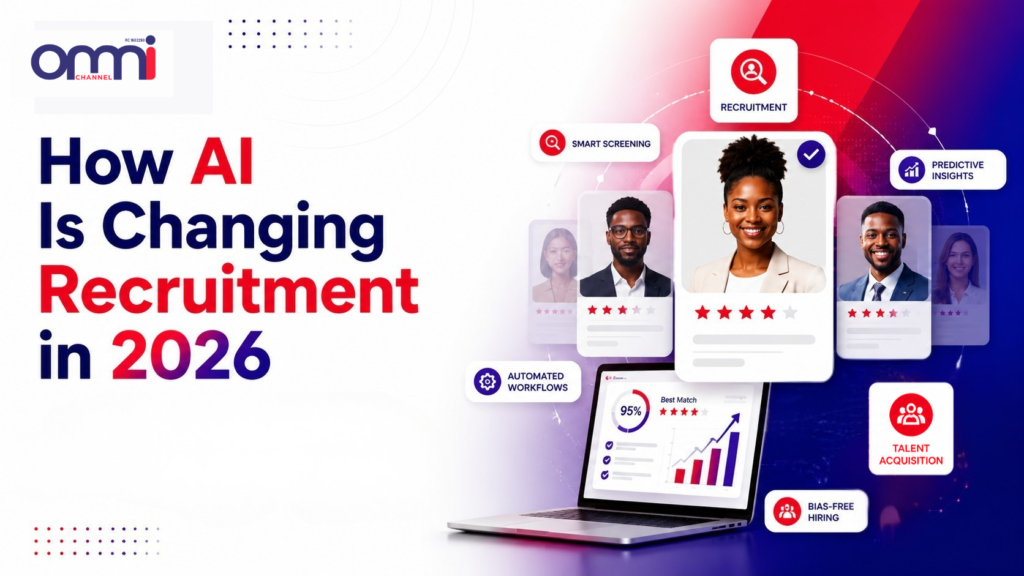
How AI Is Changing Recruitment in 2026
AI is rapidly changing how recruiters work. LinkedIn’s Future of Recruiting 2025 report draws on billions of platform data points, a survey of more than 1,000 talent professionals, and input from talent leaders. The report describes AI as a major force in recruitment, particularly for automating repetitive tasks and enabling more skills-based hiring.
AI can assist with:
- Candidate sourcing
- CV and application screening
- Candidate communication
- Interview scheduling
- Job description creation
- Skills matching
- Recruitment analytics
LinkedIn’s Hiring Assistant is one example of this shift. According to LinkedIn data reported by Computer Weekly, the company says its AI system has helped save recruiters an average of four hours per role and reduce the number of candidate profiles reviewed by 62%. These are company-reported figures, so they should be interpreted as product performance claims rather than universal results for every recruiter or organisation.
The larger lesson is more important than any single statistic. AI can reduce administrative work. It can help recruiters process larger candidate pools. It can make sourcing and screening more efficient.
But AI should not become an excuse to remove human judgement from hiring. Recruitment involves decisions about capability, communication, motivation, context, and organisational fit. These require careful human oversight.
The future of recruitment is therefore unlikely to be AI versus recruiters. It is more likely to be AI supporting better recruiters.
Signs Your Recruitment Process Needs Attention
Your recruitment process may need improvement if the same roles remain open repeatedly, if new hires leave shortly after joining, or if candidates regularly decline your offers. It may also be a concern when managers complain that new employees lack basic skills, when the founder personally handles every recruitment decision, or when the business hires only once a crisis has already started.
Other warning signs include employees being consistently overloaded because vacancies remain unfilled, job descriptions failing to reflect what employees actually do, interviews relying entirely on “gut feeling,” and new employees receiving little or no structured onboarding.
These signs do not necessarily mean the problem lies only in recruitment. The real issue could be compensation, management, workload, company culture, onboarding, or unclear roles. The important thing is to investigate the entire employee journey.
Five Recruitment Mistakes That Cost Businesses
1. Hiring in a Panic
Waiting until a team is overwhelmed creates pressure to hire quickly. Better approach: anticipate workforce needs and maintain a talent pipeline.
2. Writing Vague Job Descriptions
If the company cannot clearly explain what success looks like, candidates cannot understand what they are applying for. Better approach: define measurable responsibilities and expected outcomes.
3. Relying Only on Interviews
A confident speaker is not automatically a strong performer. Better approach: combine structured interviews with relevant work samples.
4. Hiring for Technical Skills Alone
Someone can have the right technical skills and still struggle with communication, adaptability, or teamwork. Better approach: assess both technical capability and the human skills required by the role.
5. Ignoring Onboarding
Hiring someone and immediately throwing them into live operations is not a complete recruitment strategy. Better approach: create a structured onboarding process with clear expectations and regular feedback.
How to Measure Recruitment Success
Recruitment should be measured by more than how quickly a vacancy is filled. Businesses should consider metrics such as time-to-fill, which looks at how long it takes to fill a position; cost-per-hire, which calculates how much the recruitment process costs; and offer acceptance rate, which shows how often candidates accept offers.
Other important measures include the quality of hire, assessing how well new employees perform after joining; early turnover, tracking how many new employees leave shortly after joining; and candidate experience, which reflects how applicants perceive the recruitment process.
The most important question is not “How quickly did we hire someone?” but rather “Did we hire someone who can succeed here?” A fast hire who leaves after a few months may be far less valuable than a carefully selected candidate who becomes a high-performing, long-term employee.
Turning Recruitment Into a Predictable Growth System
Recruitment should not be something a business thinks about only when someone resigns or the workload becomes unbearable. It should be part of the growth strategy.
The strongest businesses understand the roles they need, define what success looks like, attract candidates through the right channels, assess people based on evidence, and give new employees the structure they need to succeed.
For Nigerian businesses, this is becoming even more important as skills evolve, technology changes the nature of work, and competition for capable talent increases.
The World Economic Forum’s research shows that employers expect significant changes in the skills workers need by 2030. McKinsey’s research demonstrates the potential productivity difference between average and exceptional talent in critical roles. CIPD’s recruitment guidance reinforces the importance of connecting hiring decisions to current and future workforce needs. Together, these findings point to the same conclusion:
Recruitment is not simply an HR function. It is a business capability.
For a growing business, the right recruitment system can create capacity, strengthen customer experience, reduce the pressure on founders, and give teams the people they need to execute the company’s strategy.
If your business is spending too much time searching for candidates, struggling to identify the right talent, or repeatedly hiring for the same roles, it may be time to rethink the process.
OmniChannel helps businesses access recruitment and BPO support designed to make workforce management more structured, scalable, and reliable.
Instead of treating every new vacancy as a crisis, businesses can build a recruitment process that supports growth.
Ready to build a stronger team? Talk to OmniChannel about your recruitment and workforce needs.